The 2026 Gemological Standard

Global Provenance Signatures:
Citrine Provenance Features,Lwena Hematite Inclusions, Mansa Smoky Transition, Uralian Clarity, Liquid Inclusions, African Geology

I have handled tens of thousands of carats over the last decade. The difference between an earth-mined anomaly and a kiln-baked forgery isn't just visual; it is overwhelmingly tactile. A natural Zambian cathedral cluster holds the ambient chill of the room far longer than a heat-flashed geode base. Stop relying on paper certificates. Start trusting the physical inclusions. In an era where collectors demand absolute transparency, understanding these deep-earth blueprints is the only way to separate rare geological formations from industrial productions.

Decoding Geological Authenticity

The market shift is brutal and undeniable. High-end collectors are aggressively prioritizing origin over perceived visual perfection. The appreciation for raw, natural formations has led to a mass rejection of stones boasting a suspicious white matrix or a crumbly geode base—these are the classic, glaring visual markers of industrial heat treatment.

Today, microscopic inclusions are the baseline standard for verifying a specimen's journey. An aesthetic signature forged by natural hydrothermal fluids over millions of years is the ultimate hallmark of rarity. If it looks perfectly clean to the naked eye, you should immediately be suspicious. Real geology is messy.

The Physical Matrix: Regional Fingerprints

Select a region below. Do not just read the markers; memorize the structural trade-offs. What makes a stone rare often makes it incredibly difficult to cut, clean, or set.

D.R. Congo: The Katanga Copperbelt

The Matrix Boundary reveals the volatile geological history of African material here. The incredibly sharp transition between the hydrothermal fluid pockets and the surrounding sedimentary basin creates unique, highly localized signatures that cannot be replicated in a lab.

Primary Marker
Red Hematite Inclusions: The Hidden Fingerprint of Congolese Deposits.
Geological Signatures
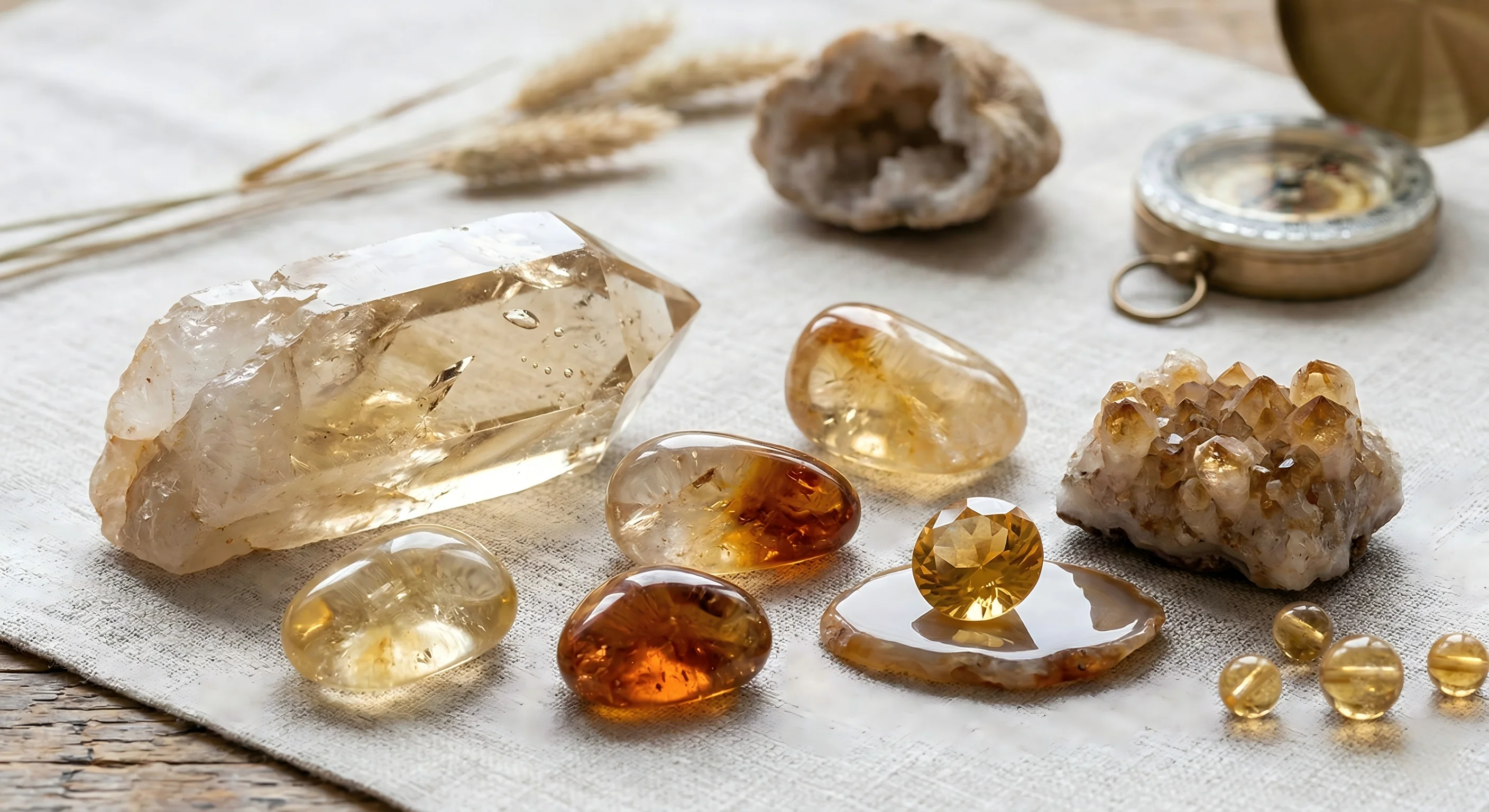
  • Lwena hematite: Distinctive iron oxide inclusions point exclusively to natural formation in the Congo. It looks like rust dusted across the crystalline faces.
  • Distinctive Formations: Often features unique clustered growth patterns admired by collectors, presenting as interlocking, tightly packed terminations.
  • Surface Texture: The raw faces are rarely perfectly smooth; they bear the microscopic striations of slow, constrained growth.
The Friction Protocol: The Ugly Truth About "Rare" Origins

Let's strip away the marketing romance. Every single origin comes with a severe mechanical or logistical penalty. If you are acquiring these specimens, you are adopting their inherent geological liabilities.

Congo's Fragility

The beautiful Lwena hematite coating is a structural nightmare. That iron oxide often seeps into micro-fractures. If you drop a Congolese cluster into an ultrasonic cleaner, or even subject it to severe temperature shifts during transport, it doesn't just chip—it shatters along the iron veins. You trade structural integrity for raw aesthetics.

Zambia's False Twins

Everyone hunts for the Zambian Japan Law Twin. But here is the reality check: the contact plane between those two intersecting crystals is incredibly weak. I have seen museum-grade pieces snap exactly in half just from the vibrations of a cargo flight. We routinely lose 30% of intact twins before they ever reach a collector's shelf.

Russia's Synthetic Suspicion

Ural material is punishing because it is too flawless. I have had furious clients return untreated, certified Ural citrine demanding refunds because they were convinced it was lab-grown glass. The absolute clarity triggers suspicion. The trade-off for owning the purest material on earth is enduring the constant, exhausting skepticism of your peers.

Stop looking for perfection. The flaws are the only things proving the stone was pulled from the dirt rather than pulled from a factory mold.

Interactive Testing Laboratory

Engage with the primary diagnostic tools used by gemologists. These mechanics dictate how we analyze structural integrity and optical behavior in the field.

🔍 Virtual 10x Loupe

Hover over the matrix below. In natural specimens, look for "Breadcrumb Inclusions" or transparent voids outlining negative crystals.

🌈 Dichroscope Simulator

Toggle polarized light. Natural citrine displays pleochroism (color shifting), while baked amethyst remains a static, flat tone.

☀️ Color Zoning Analysis

Drag the slider to compare the harsh white base of an industrial kiln (left) versus the smooth geothermal fade of a natural stone (right).

Kiln Baked Base
Natural Fade
Field Diagnostics: When Equipment Fails You

The clean, digital interfaces above represent laboratory conditions. I need you to understand that field testing is chaotic. When you are standing in a sorting house in Ndola with poor overhead lighting, sweat on your hands, and a parcel of fifty stones, the textbook rules bend.

The Loupe Deception: Using a 10x loupe requires a steady hand and perfect backlighting. In the field, you will mistake surface abrasions for internal fractures. You will stare at a tiny bubble in a Ural fluid inclusion, waiting for it to move as you tilt the stone. Here is the trick nobody mentions: if the ambient temperature is too low, the fluid inside that microscopic pocket becomes highly viscous. The bubble will not move. You must literally hold the rough stone tight in your closed fist for three minutes to transfer your body heat, lowering the fluid viscosity, before trying the loupe again.

The Dichroscope Glare: Pleochroism is a fantastic indicator, but only if you aren't fighting external reflections. A raw crystal face acts like a jagged mirror. If you don't use immersion fluid (or at least a drop of water in the field) to smooth the optical entry point, the surface glare will trick your eye into seeing color shifts that aren't actually happening inside the crystal lattice.

FTIR Limitations: Even back in the lab, heavy machinery has blind spots. We use Fourier Transform Infrared (FTIR) spectroscopy to detect irradiation treatments. But if a Congolese specimen is heavily fractured or packed with dense hematite, the infrared beam scatters. The machine spits out noise. At that point, you are back to relying entirely on your visual experience and tactile judgment. The machine is a tool, not a savior.

The Collector's Demand Index

Why is ethically sourced, traceable material commanding massive attention in curated collections? It is driven strictly by a focus on rarity, verifiable origin, and historical geological significance. Serious enthusiasts prioritize distinct provenance features over mass-produced, identical aesthetics.

This shift is heavily documented. Industry tracing efforts now aggressively log geological profiles, assigning rarity metrics based on the difficulty of extraction and the scarcity of specific inclusions. It is no longer about size; it is about the story the matrix tells.

Rarity Score Estimator

Theoretical Rarity Index:
48.0
/ 100

Relative Collector Interest (Baseline Metric)

Curatorial Care & Mindful Display

Preserving these complex geological artifacts requires specific curatorial knowledge. Beyond the science, historical folklore frequently influences how enthusiasts choose to interact with and display their collections in modern environments.

Acoustic Resonance & Structural Safety

Safely maintaining fragile quartz without utilizing harsh liquid chemicals is paramount. A popular option among specialized collectors is utilizing a tuning fork for non-contact maintenance. This relies on specific acoustic frequencies to gently dislodge microscopic dust from deeply clustered formations without risking physical abrasion. Alternatively, utilizing a Selenite (satin spar) slab offers an aesthetically neutral, waterless display base that won't scratch the host rock.

The Sunlight Myth & Ambient Focus

Here is an operational fact: intense, direct sunlight causes color center fading in natural quartz due to prolonged UV exposure. Daily display locations must strictly avoid direct windowsill placement. To mitigate this, individuals often integrate these pieces into interior spaces utilizing low-light, mindful routines. The "60-Second Focus Routine"—placing the stone centrally during morning reflection—serves as a physical anchor for attention. To refine the atmosphere without risking moisture damage to the matrix, botanical combustion (like Palo Santo) is a common, historically rooted method for curating the immediate environment.

Authoritative References & Further Verification

Do not take my word for it. Cross-reference the structural and optical claims made in this guide with the following institutional databases and peer-reviewed geological archives.

  • Gemological Institute of America (GIA) - Gems & Gemology Archives: Deep research into fluid inclusions and irradiation detection methodologies.
  • Mindat.org - The Mineral Database: The absolute authority on crystallographic anomalies, including verified locations for the Japan Law Twin.
  • Swiss Gemmological Institute (SSEF) - Research Publications: Advanced standards on distinguishing natural geothermal color zoning from synthetic batch heating.
The Geological Identity of Citrine
Part of the Master Guide

The Geological Identity of Citrine: Defining the Objective Reality of Golden Quartz

Return to the pillar article to explore the comprehensive scientific foundation, market dynamics, and objective reality defining natural golden quartz in 2026.

Return to Pillar Article
Aurora Vale

Aurora Vale

Hi, I'm Aurora Vale, the founder of Citrinefy and a passionate explorer of crystal energy and spiritual growth. I created this space to share my experiences with citrine, manifestation practices, and the deeper meanings behind crystals. Over the years, I’ve studied how gemstones can influence energy, mindset, and personal transformation. Citrine has always held a special place in my journey because of its strong association with abundance, confidence, and positivity. Through my writing, I hope to help others discover the uplifting energy of crystals, learn simple spiritual practices, and bring more clarity, balance, and abundance into their lives.

Citrine overs